Coastal Harvests Along the Tyrrhenian Sea
Documenting the culinary guardians safeguarding centuries of agricultural wisdom against modern food industrialization.
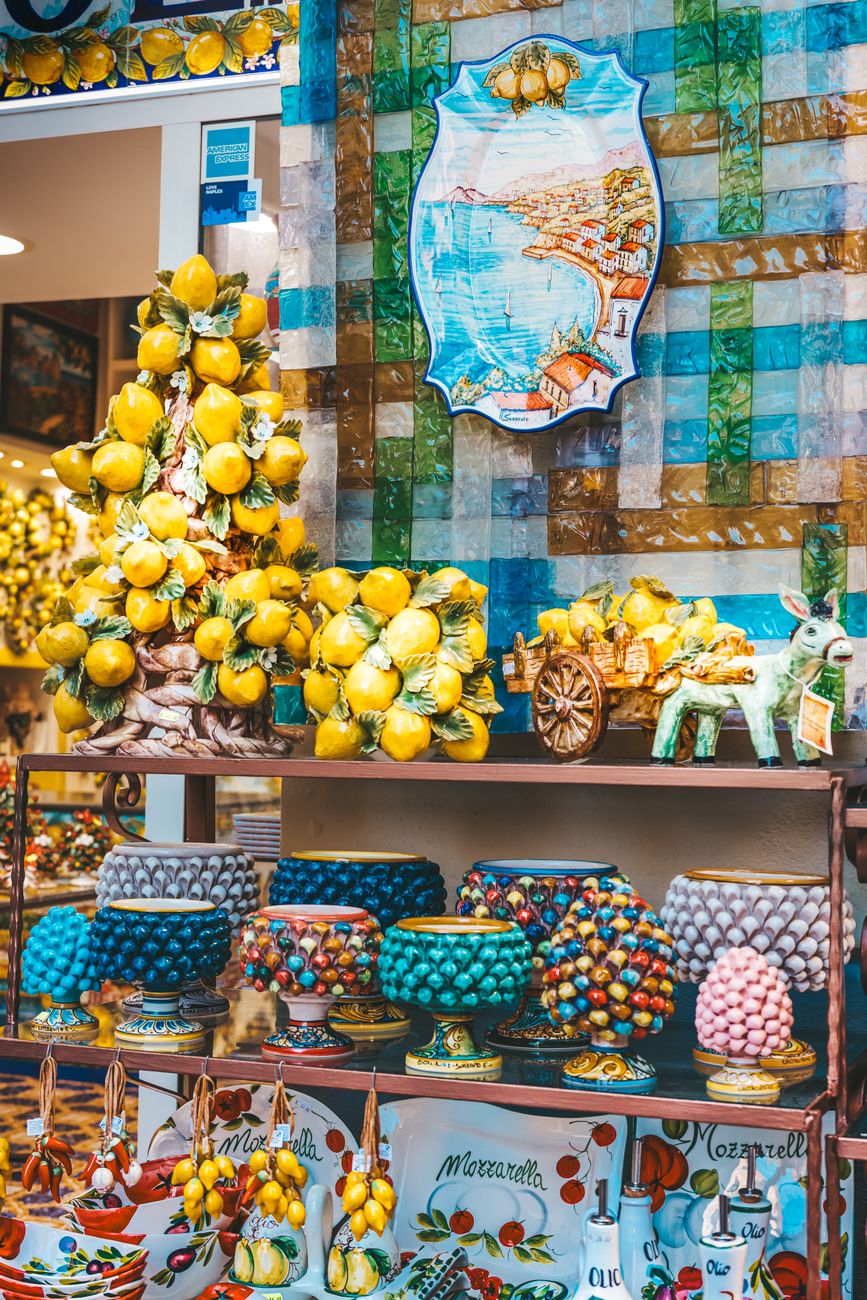
Table of Contents
To understand the palate of southern Italy, one must examine the geology of its coast. Where vertical limestone drops directly into the sapphire Tyrrhenian waters, agriculture is not conducted on vast plains, but on heroic stone terraces carved by hand over eight centuries.
The Vertical Lemon Terraces
In the hills above Amalfi and Minori, farmers known locally as contadini volanti (flying farmers) navigate steep chestnut-pole stairs bearing baskets of Sfusato Amalfitano. These lemons are not bred for industrial juice; their thick, oil-rich rinds possess an aroma that perfumes entire ravines.
By using chestnut wood trellises and natural shade straw blankets during winter cold snaps, these family growers avoid synthetic chemicals while sustaining soil stability on vulnerable sea cliffs.
"A recipe here is never merely fuel; it is the preserved geography of a cliffside, a family, and an ocean wind."
Night Currents and Wooden Skiffs
In the small cove of Cetara, third-generation fishermen set out under moonlight to catch anchovies. The catch is quickly salted and pressed in oak barrels called terzigni to yield colatura di alici—the direct culinary descendant of ancient Roman garum.
Dining as an Act of Regional Remembrance
- Eat according to micro-season: Accept what local waters and terraced soils offer in each distinct month.
- Patronize certified producers: Seek DOP and IGP certifications to support family cooperatives.
- Recognize the labor: Understand that every drop of pressed oil and citrus peel represents rigorous physical hillside toil.